

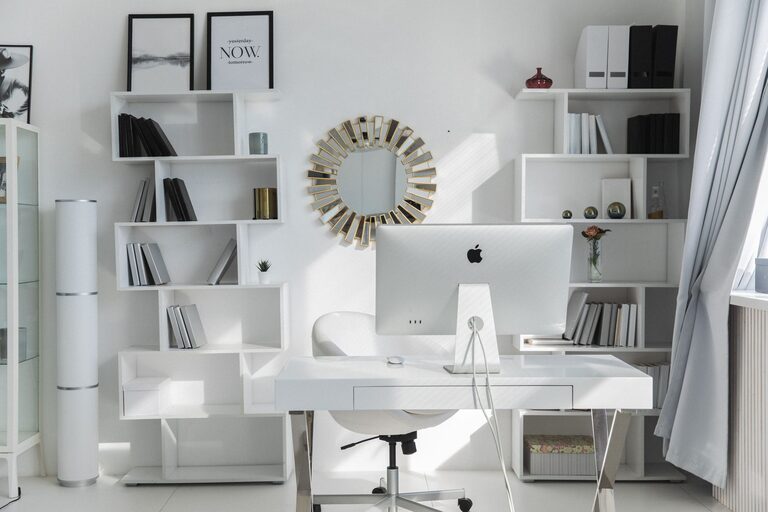
Creating an efficient and organized workspace at home can make a big difference in your productivity and overall work experience. Whether you’re working remotely full-time or just occasionally, having a dedicated area that’s tidy, comfortable, and well set up can help reduce distractions and keep your mind focused.
In this post, we’ll explore simple, practical tips for organizing your home workspace to create an environment that supports productivity and wellbeing.
1. Choose the Right Location
Finding the ideal spot in your home for your workspace is the first step. A few things to consider:
– Low-traffic area: Choose a space where you won’t be frequently interrupted by family or household activities.
– Adequate lighting: Natural light is best, so place your desk near a window if possible. Good lighting reduces eye strain and improves mood.
– Comfortable space: Make sure there’s enough room for your computer, materials, and movement.
If you don’t have a separate room, consider using room dividers or positioning your desk so it faces away from distractions.
2. Declutter Your Desk
A cluttered desk can lead to a cluttered mind, making it harder to focus. Try these decluttering tips:
– Remove everything from your desk.
– Keep only essential items—computer, planner, a few pens.
– Use drawers or desktop organizers for smaller items.
– Limit personal items to one or two things that make you feel good without overcrowding.
Regularly tidying your desk at the end of each day can help maintain a clear workspace.
3. Organize Your Supplies
Having your supplies organized and within easy reach saves time and frustration. Consider these solutions:
– Use drawer organizers or small containers for paperclips, sticky notes, and other small items.
– Invest in vertical storage such as shelves or wall-mounted organizers to free up desk space.
– Label storage boxes or files to quickly find documents.
– Keep cables managed with clips or ties to avoid tangling.
By arranging your supplies thoughtfully, you can focus on tasks rather than searching for what you need.
4. Optimize Ergonomics
A comfortable workspace helps prevent fatigue and discomfort, which can hurt productivity. Keep the following ergonomics tips in mind:
– Use an adjustable chair that supports your lower back.
– Position your monitor at eye level to avoid neck strain.
– Keep your feet flat on the floor or on a footrest.
– Ensure your keyboard and mouse are at a comfortable height for your hands and arms.
Good ergonomics make long work sessions easier and less tiring.
5. Minimize Digital Distractions
Digital clutter can be as distracting as physical clutter. To keep your online workspace clean:
– Organize your desktop folders and files regularly.
– Close unnecessary tabs or applications.
– Use website blockers or focus apps during work hours.
– Turn off non-essential notifications.
These steps can help your computer screen work for you instead of against you.
6. Personalize Thoughtfully
Adding a few personal touches can make your workspace inviting, but avoid overdoing it:
– Add a plant for a bit of greenery, which can improve mood.
– Display an inspiring quote or photo.
– Use a comfortable mouse pad or colorful notebook.
Personalization should support your work mindset without distracting or cluttering.
7. Set a Regular Cleaning Routine
A clean workspace supports productivity over time. Develop a habit of:
– Wiping down your desk weekly.
– Emptying trash and recycling daily.
– Removing any unneeded papers or items immediately.
Keeping your area clean makes working feel more pleasant and organized.
8. Plan Your Day Ahead
While not a physical organization tip, planning your day ahead helps keep your workspace functional and your mind clear:
– Keep a planner or to-do list on your desk.
– Prioritize tasks to reduce decision fatigue.
– Set specific times for breaks and tasks to maintain focus.
A structured plan complements your orderly environment.
—
By implementing these simple tips, you can turn your home workspace into a productivity booster. Remember, the goal is to design a space that feels comfortable, orderly, and tailored to your needs. Taking small steps toward better organization can have a big impact on how well you work and feel throughout your day.