

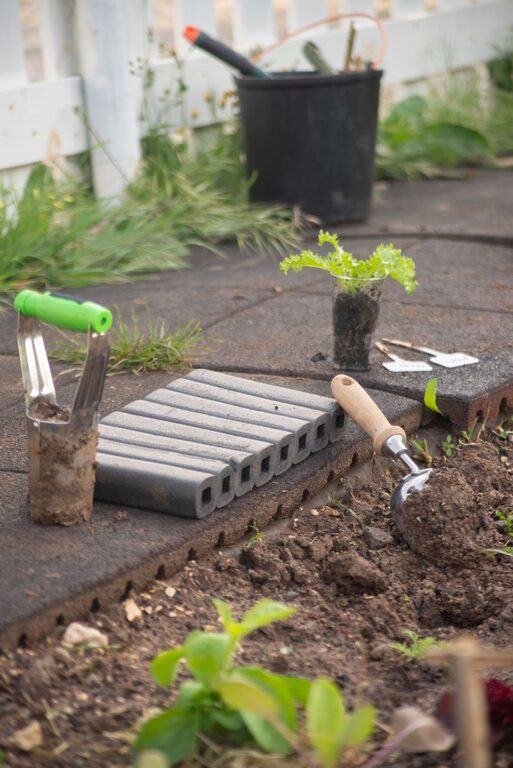
Starting a small vegetable garden at home is a rewarding and enjoyable way to connect with nature and enjoy fresh produce. Whether you have a spacious backyard or just a small balcony, growing vegetables can be a fun and productive hobby. This guide will help you get started with practical tips to make your home vegetable garden thrive.
Why Start a Small Vegetable Garden?
Growing your own vegetables allows you to control what goes into your food and can save money at the grocery store. Plus, gardening is a relaxing activity that gets you outdoors and moving. Even with limited space, you can grow a variety of veggies suited to your climate and preferences.
Choosing the Right Location
For a healthy vegetable garden, location is key. Here’s what to consider:
– Sunlight: Most vegetables need at least 6-8 hours of direct sunlight daily. Observe your space to find the sunniest spot.
– Soil Quality: Good soil is vital. Look for a spot with well-drained, fertile soil. If your soil is poor, consider using raised beds or containers with quality soil.
– Accessibility: Place your garden where it’s easy to water and maintain.
– Protection: Try to avoid areas prone to strong winds or where pets and pests frequently pass.
Planning Your Garden
Before planting, take time to plan your garden layout:
– Start Small: Begin with a small patch or a few containers to avoid feeling overwhelmed.
– Choose Vegetables Wisely: Select vegetables that are easy to grow and suited to your climate. Leafy greens, radishes, tomatoes, and herbs are great for beginners.
– Consider Growth Seasons: Know which vegetables grow best in your planting season (spring, summer, fall).
– Companion Planting: Some plants grow better together. For example, tomatoes and basil are popular companions.
Preparing the Soil
Healthy soil leads to healthy plants. Follow these steps:
- **Clear weeds and debris** from your chosen spot.
- **Loosen the soil** with a garden fork or tiller to improve aeration.
- **Add organic matter** like compost or manure to boost nutrients.
- **Test the soil pH** if possible; most vegetables prefer a pH between 6.0 and 7.0.
- **Mix in fertilizer** as needed based on your soil test results.
Choosing Seeds and Seedlings
– Seeds: Starting from seeds is economical and offers a wide variety of options. Follow seed packet instructions for planting depth and spacing.
– Seedlings: If you want quicker results, buy young plants from a nursery. They’re easier to handle for beginners.
– Check for quality: Choose seeds and seedlings that look healthy and are suited for your zone.
Planting Your Garden
– Timing: Plant seeds or seedlings at the right time for your region, usually after the last frost.
– Spacing: Follow recommended spacing to avoid overcrowding, which can cause disease and poor growth.
– Watering: Water gently but thoroughly after planting.
– Mark rows or spots to keep track of what you planted.
Caring for Your Vegetable Garden
Regular care helps your garden flourish:
– Watering: Most vegetables prefer evenly moist soil. Water in the morning to reduce evaporation.
– Mulching: Use straw, leaves, or bark mulch to retain moisture and prevent weeds.
– Weeding: Keep your garden weed-free to reduce competition for nutrients.
– Fertilizing: Feed plants with organic fertilizers or compost tea every few weeks.
– Monitoring for pests: Check leaves and stems regularly for signs of insects or diseases and take action early.
Harvesting Your Vegetables
– Pick vegetables at their peak: This depends on the type but generally when they’re firm and colorful.
– Use clean tools or hands to avoid damaging plants.
– Harvest regularly: Frequent harvesting encourages more production.
Tips for Garden Success
– Keep a garden journal: Note planting dates, weather, and results to improve next season.
– Start composting: Turn kitchen scraps into valuable soil amendments.
– Be patient: Plants need time to grow, and each season is a learning experience.
– Enjoy the process: Gardening should be fun, so celebrate small wins.
Conclusion
Starting a small vegetable garden at home is easier than you might think. By choosing the right location, preparing good soil, picking suitable plants, and caring consistently, you can enjoy fresh vegetables right at your doorstep. Whether you’re growing in containers, raised beds, or a garden plot, these tips will help you succeed and find joy in your gardening journey. Happy gardening!